
AI and product pages: 6 solutions for the Luxury sector
Tempo di lettura 4 minuti
What is AI applied to product pages?
Artificial Intelligence is gradually becoming a staple in e-commerce, particularly in the luxury sector, where the PDP (Product Detail Page) faces challenges related to visualization, reassurance, and conversion. The term “AI” is not limited to generative AI: on a PDP, there are two main and often complementary families of technologies:
- Predictive AI / “classical” (Machine Learning): data analysis to predict, classify, and recommend (search, product recommendations, size, etc.).
- Generative AI: creation or adaptation of content (text, images, variants), sometimes combined with 3D/AR engines.
Here is a presentation of six illustrated solutions already in use on the market that offer ideas for implementation. They can be used upstream to modify the shopping experience where the tool is used by employees and downstream, via an interactive module requiring user participation.
Search & personalized e-merchandising
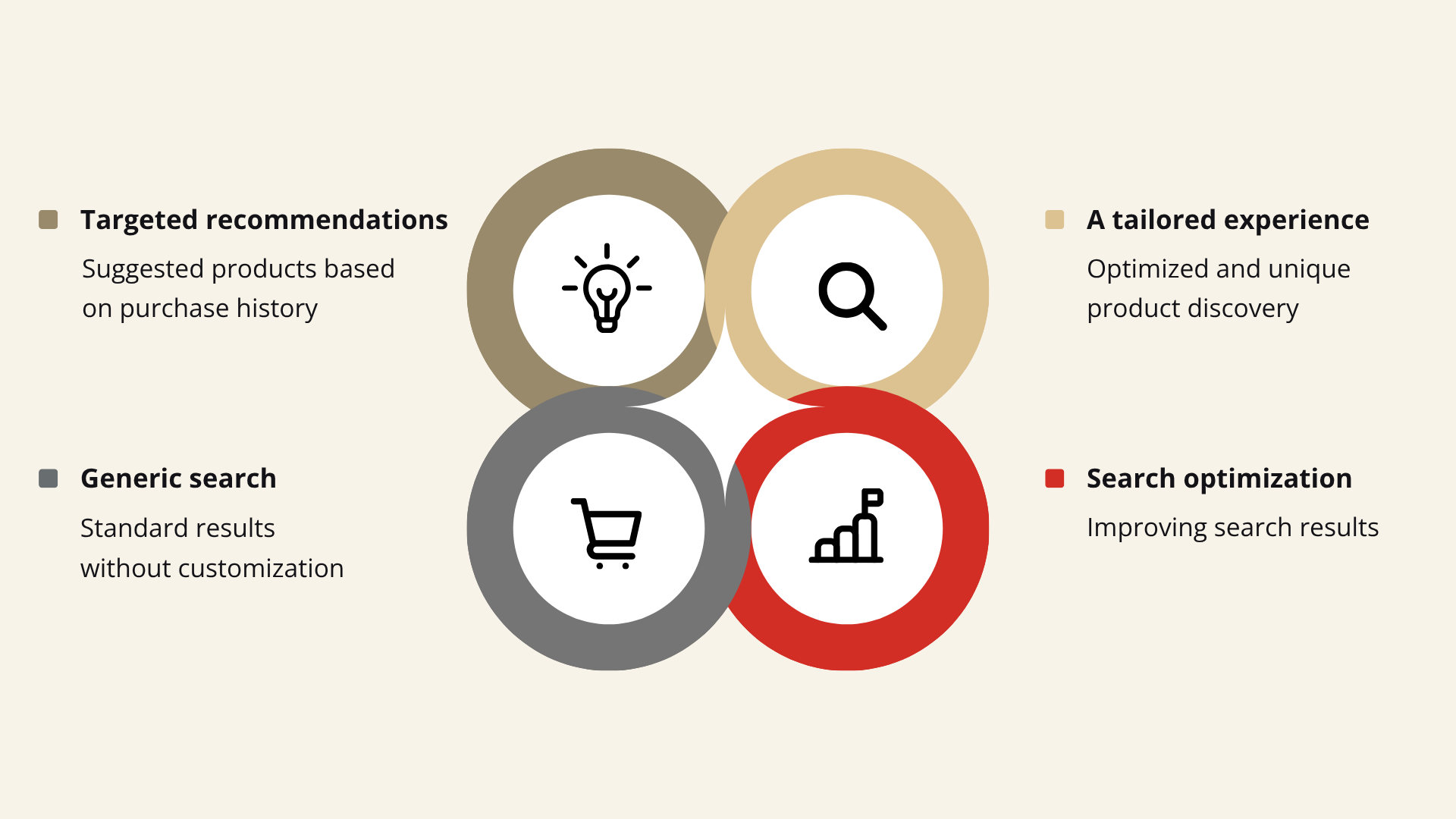
Improving product discovery and the relevance of search results is one of the most profitable strategies, as it directly impacts conversion and average order value.
What AI enables on the PDP (and surrounding areas):
- More effective search: spell check, autocomplete, synonyms, suggestions.
- Personalization: recommendations and prioritization of products based on browsing behavior, history, and preferences.
- Cart optimization: cross-selling (“often bought together”), up-selling (bundles, larger sizes).
Examples of solutions:
How to make progress on the brand side (quick wins):
- Define 2 KPIs: add-to-cart rate and AOV (average order value).
- Launch an A/B test on a priority category (e.g., best-sellers).
Size/Fit recommendations (Predictive AI)
Size remains a major cause of returns. On the PDP, the challenge is to reassure customers and reduce uncertainty without weighing down the experience.
What AI enables:
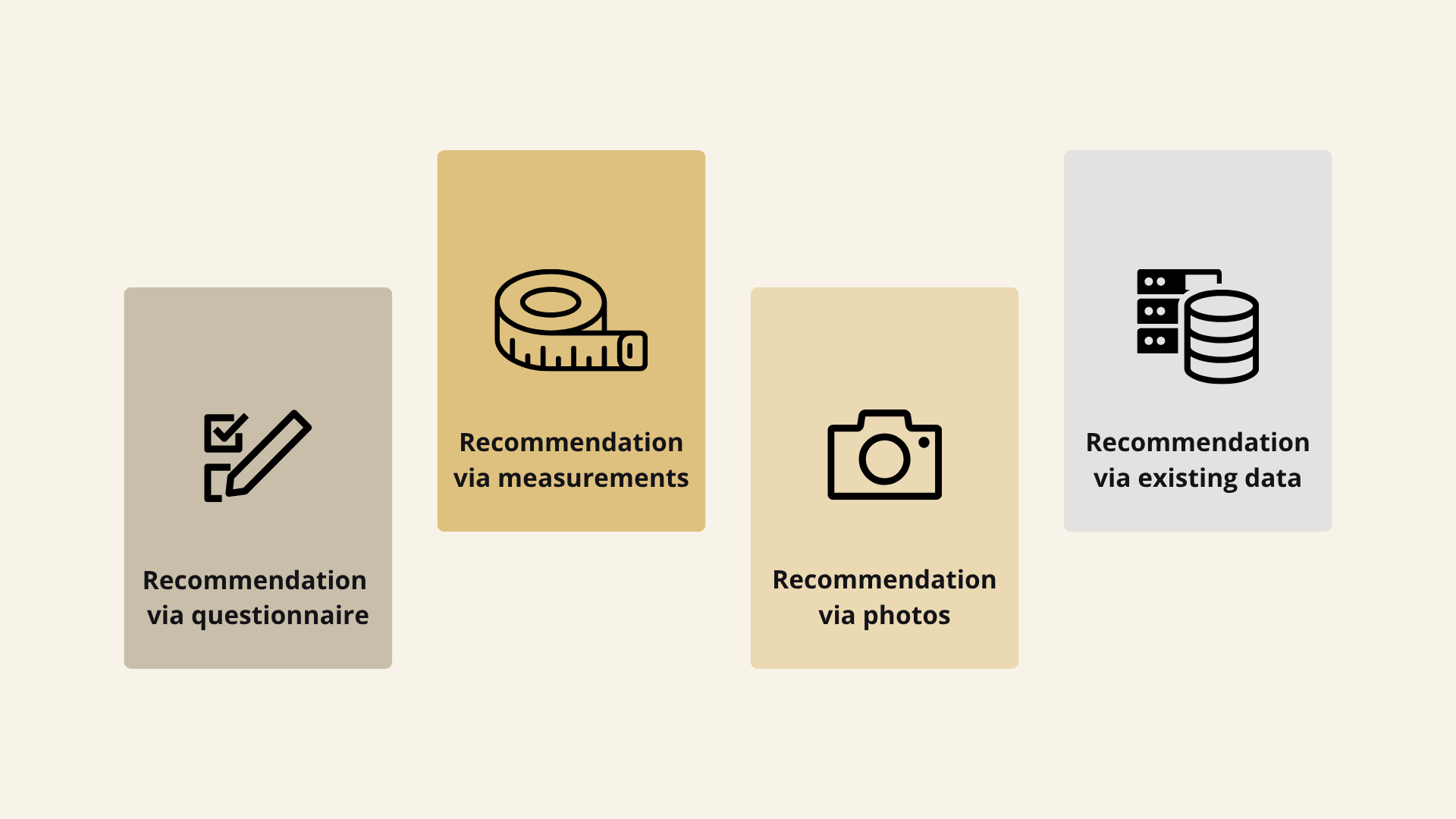
Objective: Reduce returns and improve customer satisfaction.
Examples of solutions:
- Kleep: size recommendations via questions, measurements, and images (used by Rabanne, Nina Ricci, and Soeur).
- Fit Predictor: recommendations based on purchase data (brand-matching logic) used by Acne Studios and Gucci.
How to move forward:
- Prioritize categories with high return rates (e.g., ready-to-wear).
- Measure: return rates, PDP conversion, module usage.
Bag capacity & scalability
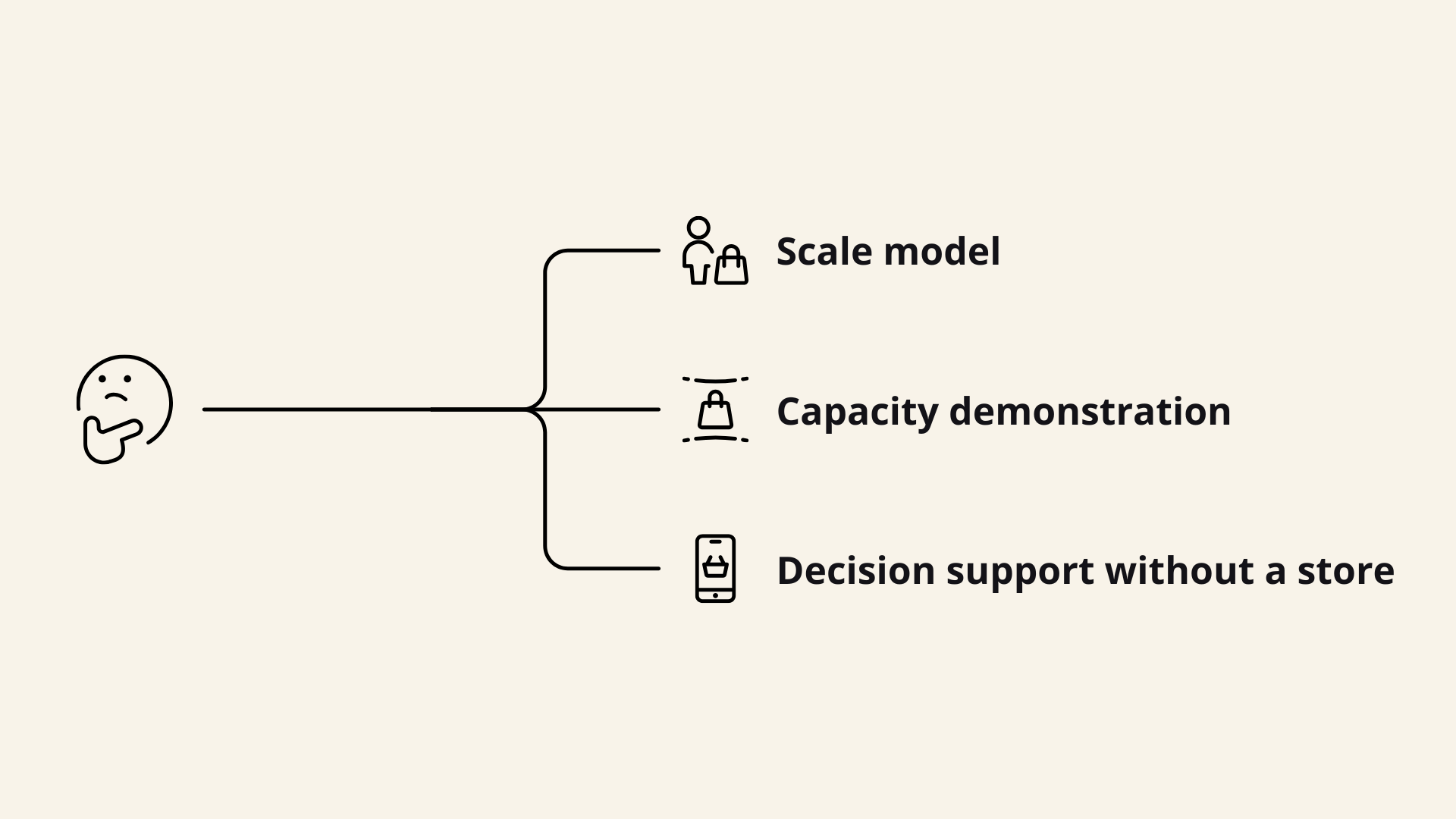
With the rise of mini-bags, the question is no longer just “What does the bag look like?” but “What can I put in it? .”
What the product detail page can offer:
Example solution:
- Tangiblee: a scale and projection module (often integrated into product detail page pop-ups) widely used by Coach and Marc Jacobs.
How to move forward:
- Define a list of “standard” items by market (phone, sunglasses, wallet…).
- Roll out first on the most viewed models.
3D product on the PDP
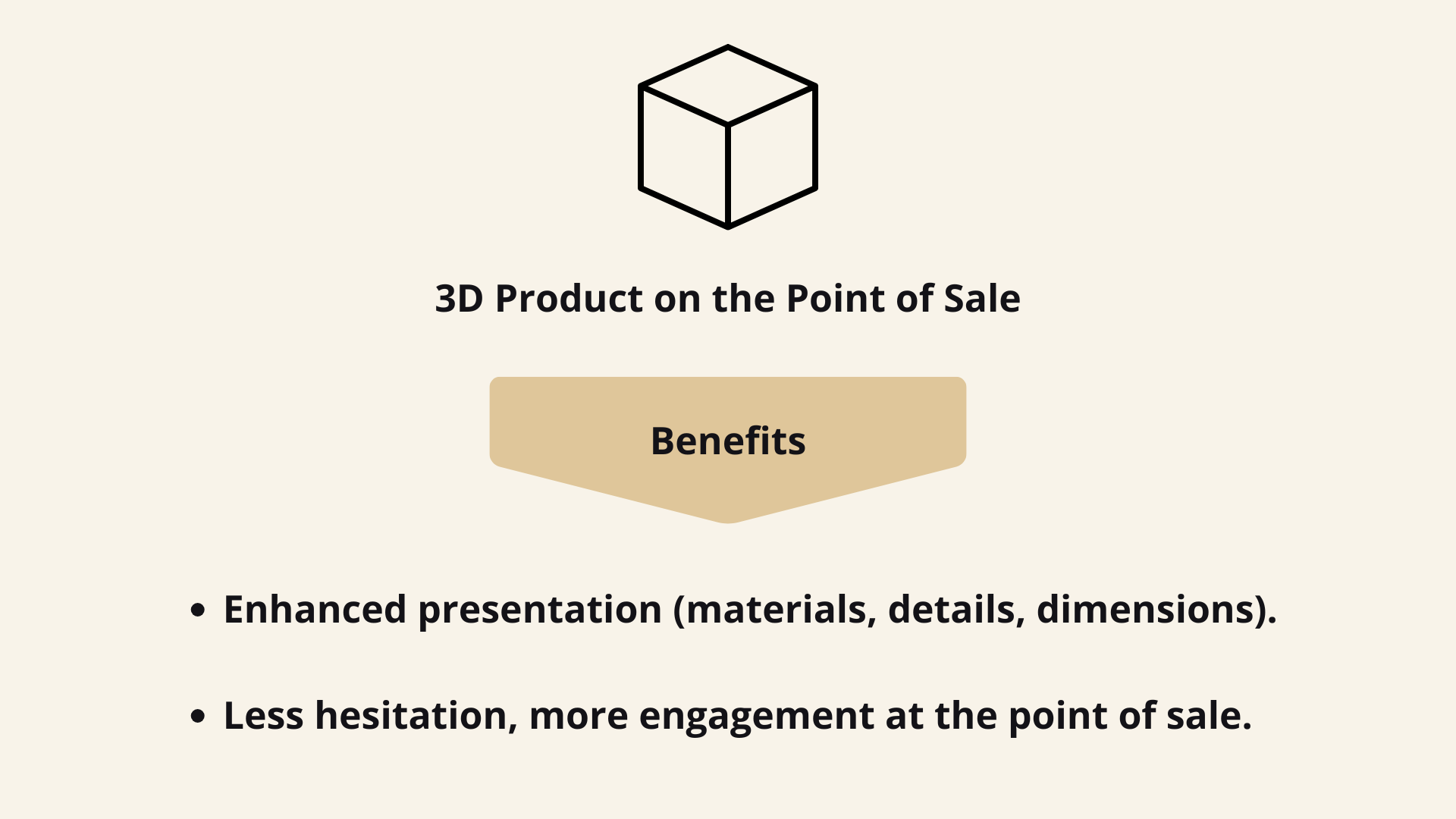
3D fulfills a simple need: to see the product better, from all angles, with a level of detail close to reality. 3D isn’t AI per se, but AI can accelerate production and enhance the AR experience.
Example observed in the luxury sector:
- 3D implementations on iconic pieces, as Christian Dior (Couture) has done.
How to move forward:
- Start with one “hero product” (iconic) to validate the impact.
- Track: time spent on the product detail page, zoom/rotation events, conversion.
AI content: Scale up PDP content (generative AI)
Generative AI is particularly useful for accelerating production and content variation, provided it is properly managed (tone, validation, compliance).
What generative AI enables:
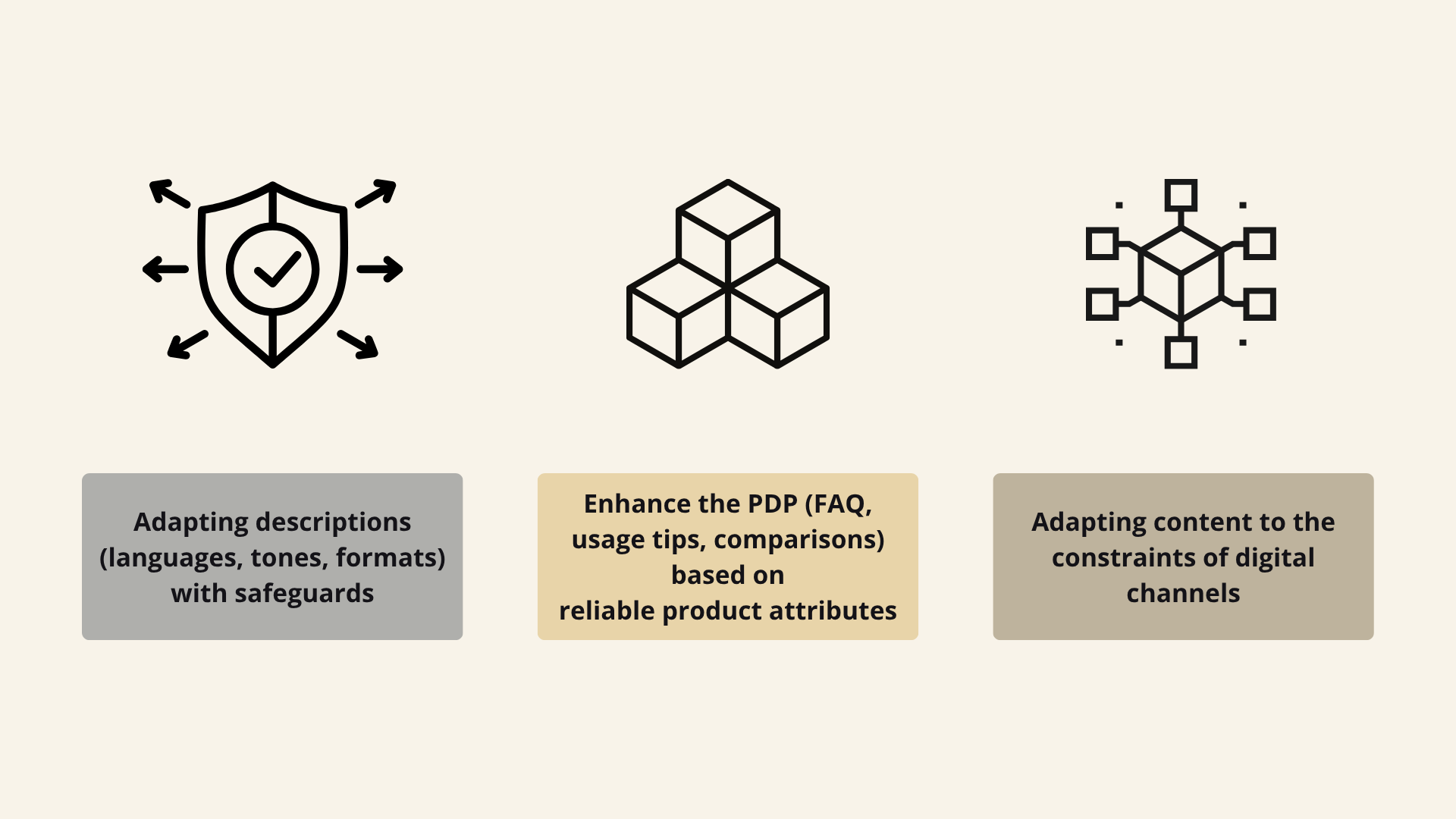
Example approach:
- L’Oréal: “content factory” initiatives and internal creation platforms (e.g., CREAITECH).
How to move forward:
- Establish a charter and validation workflow (legal/brand).
- Feed the AI with structured data (PIM) to avoid inaccuracies.
Virtual Try-On (AR + AI)
VTO helps convince customers and reduce returns by allowing them to virtually try on a product.
Common approaches:
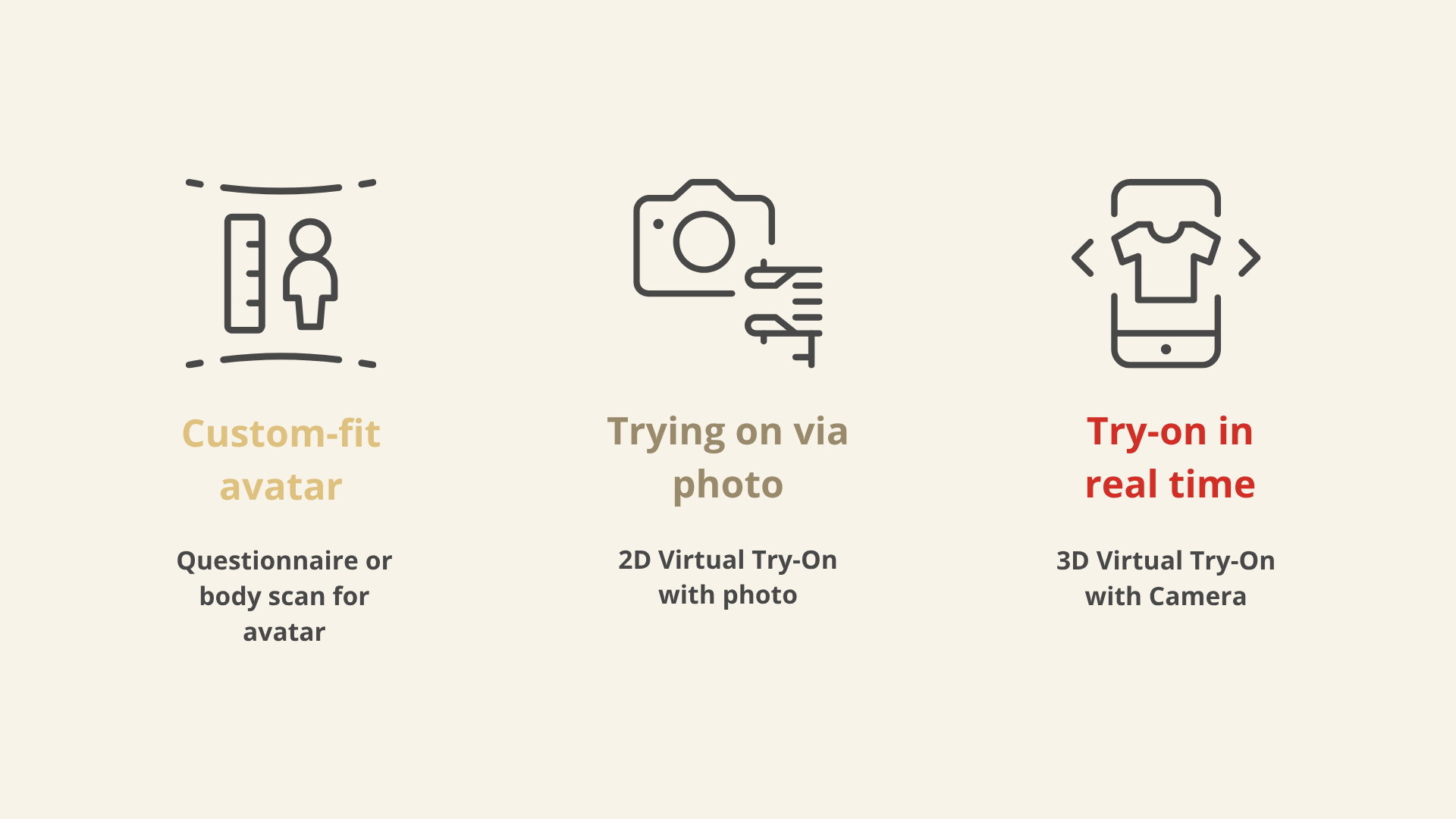
Examples of solutions/implementations:
- Bods: avatar and personalization via customer data, used by Balmain and Balenciaga.
- Wanna x Valentino: digital try-on via camera/filter.
Next steps:
- Start with an “AR-friendly” category (beauty, eyewear, sneakers, accessories).
- Measure: usage, conversion, returns.
Conclusion
On a PDP, AI isn’t limited to text generation: the most immediate gains often come from predictive AI (search, recommendations, sizing), while generative AI accelerates content scaling. The most effective approach is to select a few use cases, test them quickly (A/B testing), and then scale up those that demonstrate a measurable impact.ala.
Hai un progetto? Discutiamone insieme.
Parliamo delle vostre ambizioni e valutiamo come le nostre competenze possono accelerare la vostra trasformazione.